Birthing methods trends 2026 reflect a significant shift in how expecting parents approach labor and delivery. More families want control over their birth experience. They’re asking questions, researching options, and rejecting one-size-fits-all approaches.
This year marks a turning point. Hospital protocols are adapting. Alternative birthing options are gaining mainstream acceptance. Technology is reshaping what’s possible in the delivery room. Whether parents prefer a traditional hospital birth or an intimate home delivery, the choices available in 2026 have never been broader, or more personalized.
Here’s what expecting parents need to know about the birthing methods trends shaping 2026.
Table of Contents
ToggleKey Takeaways
- Birthing methods trends 2026 emphasize personalized birth plans, giving parents more control and involvement in their delivery experience.
- Technology like wearable monitors, virtual reality for pain management, and AI-powered systems are enhancing labor and delivery without sacrificing personal connection.
- Midwifery and home births are rising in popularity, with expanded insurance coverage making these low-intervention options more accessible.
- Holistic approaches such as hydrotherapy, nitrous oxide, and gentle cesarean procedures are becoming mainstream hospital offerings.
- Choosing the right birthing method requires evaluating your medical history, researching local options, and finding a provider who respects your preferences.
- Hiring a doula can reduce cesarean rates, shorten labor, and improve overall birth satisfaction.
The Rise of Personalized Birth Plans
Personalized birth plans are no longer a niche request. They’ve become standard practice across hospitals and birthing centers in 2026.
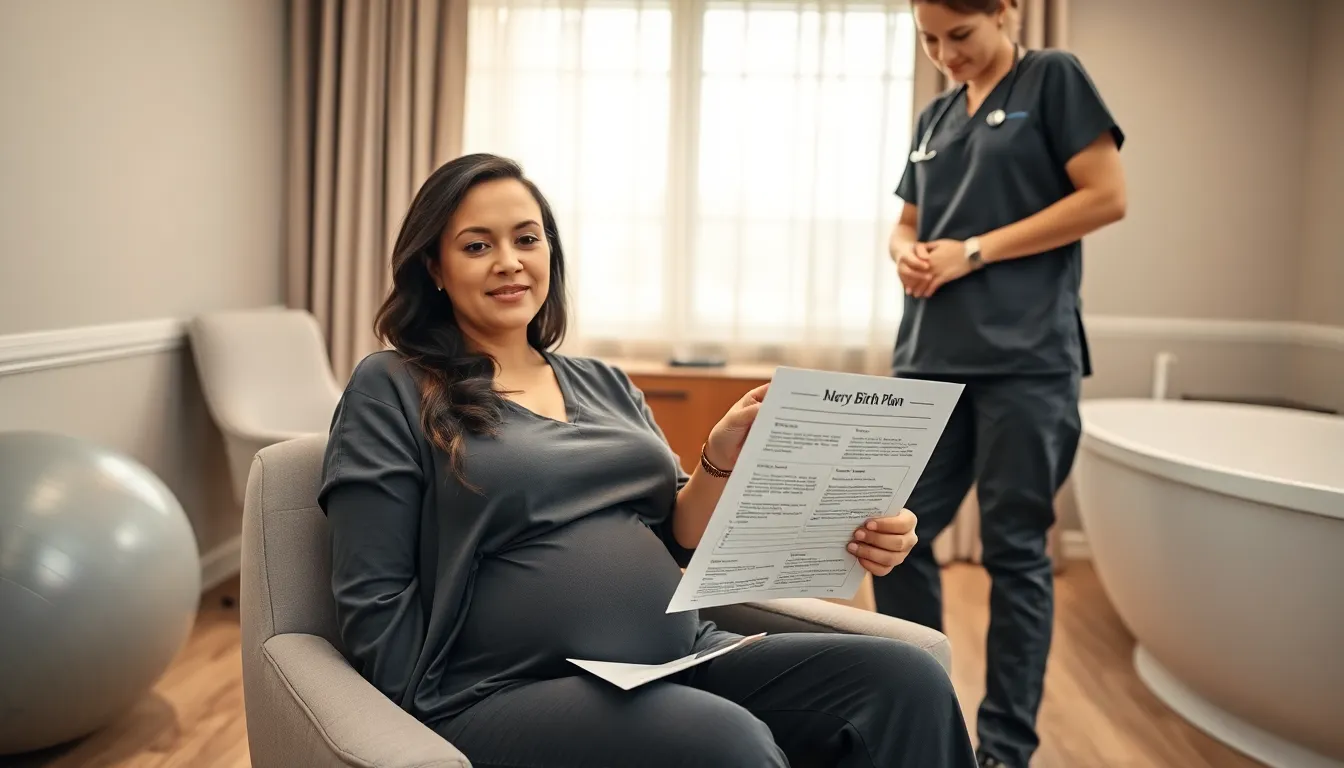
Expecting parents now work directly with their care teams to outline preferences for every stage of labor. These plans cover pain management options, delivery positions, immediate skin-to-skin contact, and delayed cord clamping. Some parents specify lighting preferences, music choices, and who they want present during delivery.
Healthcare providers have responded to this demand. Many hospitals now employ birth plan coordinators who help families document their wishes. These coordinators also help manage expectations by explaining which requests are feasible and which may need flexibility based on medical circumstances.
The shift toward personalized birthing methods trends in 2026 stems from a larger movement. Parents want to feel heard. They want agency during one of life’s most significant moments. Research supports this approach, studies show that mothers who feel involved in decision-making report higher satisfaction with their birth experience.
Birth plans aren’t contracts. They’re communication tools. And in 2026, that communication has improved dramatically.
Technology-Assisted Labor and Delivery
Technology is changing how babies enter the world. The birthing methods trends 2026 highlight several innovations now available to expecting parents.
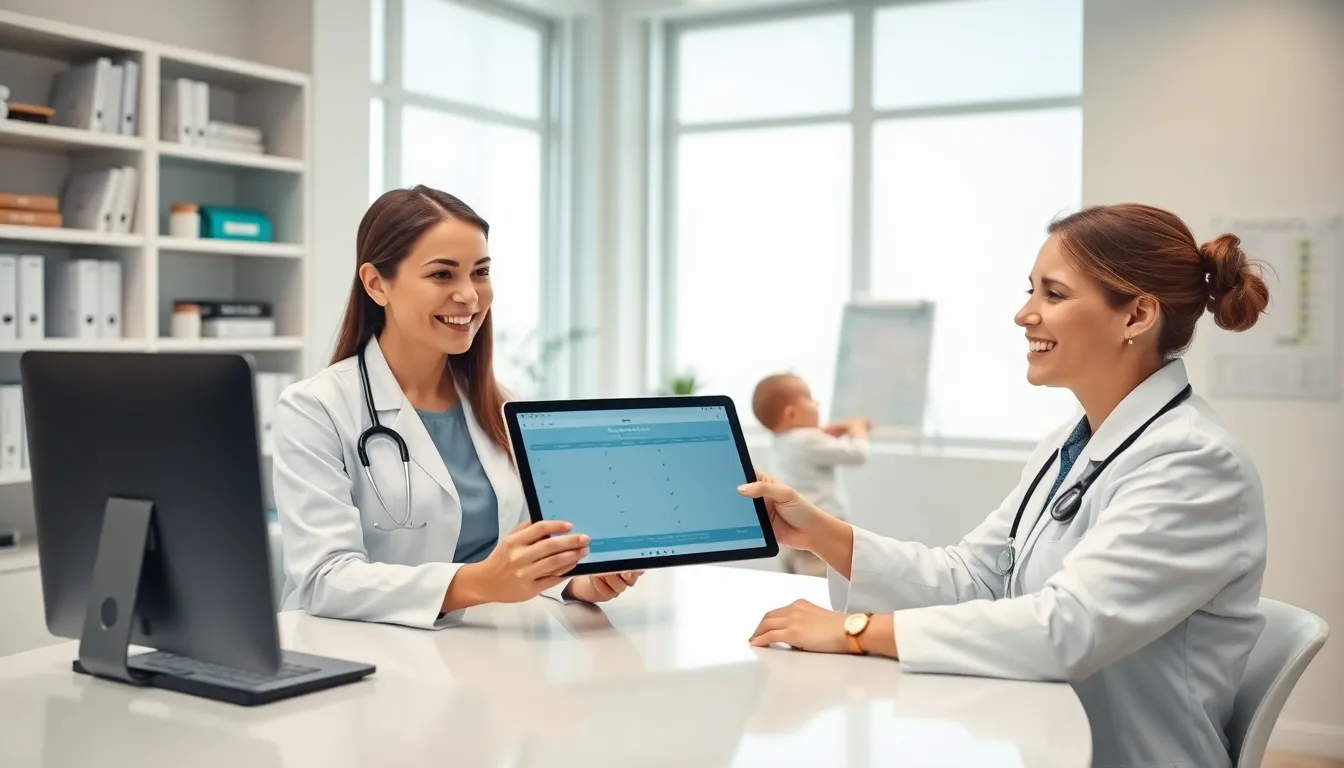
Wearable monitors track contractions, fetal heart rate, and maternal vitals in real time. These devices send data directly to healthcare providers, allowing for continuous monitoring without restricting movement. Laboring mothers can walk, use birthing balls, or change positions while staying connected to their care team.
Virtual reality (VR) has emerged as a pain management tool. Some hospitals now offer VR headsets that guide mothers through breathing exercises and visualization techniques during contractions. Early data suggests VR can reduce the perception of pain and decrease requests for epidurals.
Artificial intelligence also plays a role. AI-powered systems analyze labor patterns to predict complications before they become emergencies. These tools help doctors make faster, more informed decisions.
Telemedicine continues expanding access to prenatal care and postpartum support. Rural families can now consult with specialists hundreds of miles away. This technology doesn’t replace in-person care, it supplements it.
These birthing methods trends show that technology, when used thoughtfully, can enhance the birth experience without making it feel clinical or impersonal.
Growing Interest in Midwifery and Home Births
Midwifery is experiencing a resurgence. Home births are rising. These birthing methods trends 2026 reflect a desire for intimate, less medicalized experiences.
Certified nurse-midwives (CNMs) and certified professional midwives (CPMs) now attend a growing percentage of births in the United States. Many hospitals have integrated midwifery teams alongside traditional obstetric care. This model offers parents the best of both worlds: personalized attention from a midwife with immediate access to medical intervention if needed.
Home births appeal to low-risk pregnancies. Parents choosing this option cite comfort, familiarity, and control as primary motivators. They want to labor in their own space, surrounded by chosen support people, without hospital protocols dictating the experience.
Birthing centers offer a middle ground. These standalone facilities provide a home-like environment with trained midwives and emergency transfer protocols. They’ve grown 18% since 2023, according to industry reports.
Insurance coverage for midwifery services has expanded in several states. This change makes these birthing methods more accessible to families who previously couldn’t afford out-of-pocket costs.
The data matters here: outcomes for low-risk pregnancies attended by midwives are comparable to physician-attended births, with lower rates of cesarean sections and other interventions.
Holistic and Low-Intervention Approaches
Low-intervention births are gaining momentum. The birthing methods trends 2026 show more parents questioning routine medical procedures.
Hydrotherapy, laboring or delivering in water, has become widely available. Warm water relaxes muscles, reduces anxiety, and can shorten labor. Many hospitals now offer birthing tubs, a feature once limited to birthing centers.
Nitrous oxide (laughing gas) provides pain relief without the side effects of epidurals. It’s self-administered, wears off quickly, and allows mothers to remain mobile. More U.S. hospitals added nitrous oxide options in 2025, and the trend continues.
Acupuncture, acupressure, and massage therapy during labor are no longer considered fringe practices. Some hospitals employ trained doulas who specialize in these techniques. Parents also hire private doulas for continuous emotional and physical support throughout labor.
Gentle cesarean procedures have transformed surgical births. These modified C-sections allow for immediate skin-to-skin contact, lowered surgical drapes so parents can watch the birth, and delayed cord clamping. The goal is making cesarean deliveries feel more like vaginal births emotionally.
These birthing methods trends 2026 don’t reject medical care. They integrate it thoughtfully. Parents want options. They want to know that intervention is available if needed, but not automatic.
How to Choose the Right Birthing Method for You
Choosing among birthing methods requires honest self-assessment. What matters most to expecting parents? Control? Pain management? Location? Support?
Start with medical history. High-risk pregnancies typically require hospital births with obstetric care. Low-risk pregnancies open more doors, home births, birthing centers, midwifery care.
Research local options. Not every hospital offers water births or nitrous oxide. Not every area has certified midwives or accredited birthing centers. Availability shapes choices.
Talk to providers early. Ask questions about their philosophy, intervention rates, and flexibility with birth plans. A provider who dismisses preferences isn’t the right fit.
Consider hiring a doula. Studies show doula support reduces cesarean rates, shortens labor, and improves overall satisfaction. Doulas advocate for parents’ wishes and provide continuous support that nurses and doctors can’t always offer.
Stay flexible. Birth rarely goes exactly as planned. The best approach combines clear preferences with realistic expectations. Parents who understand this balance tend to feel more positive about their experience, regardless of how delivery unfolds.
The birthing methods trends 2026 offer more choices than ever. That’s empowering, but it also requires well-informed choice-making.