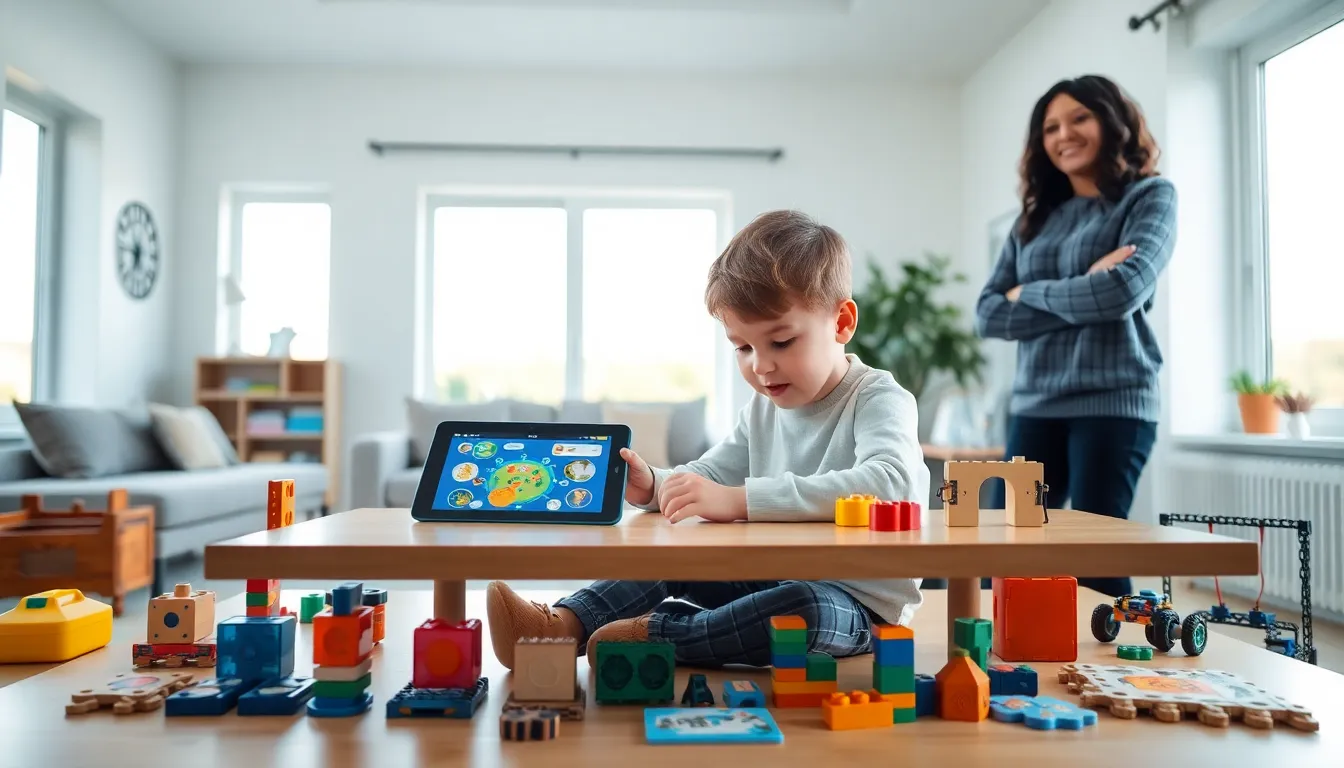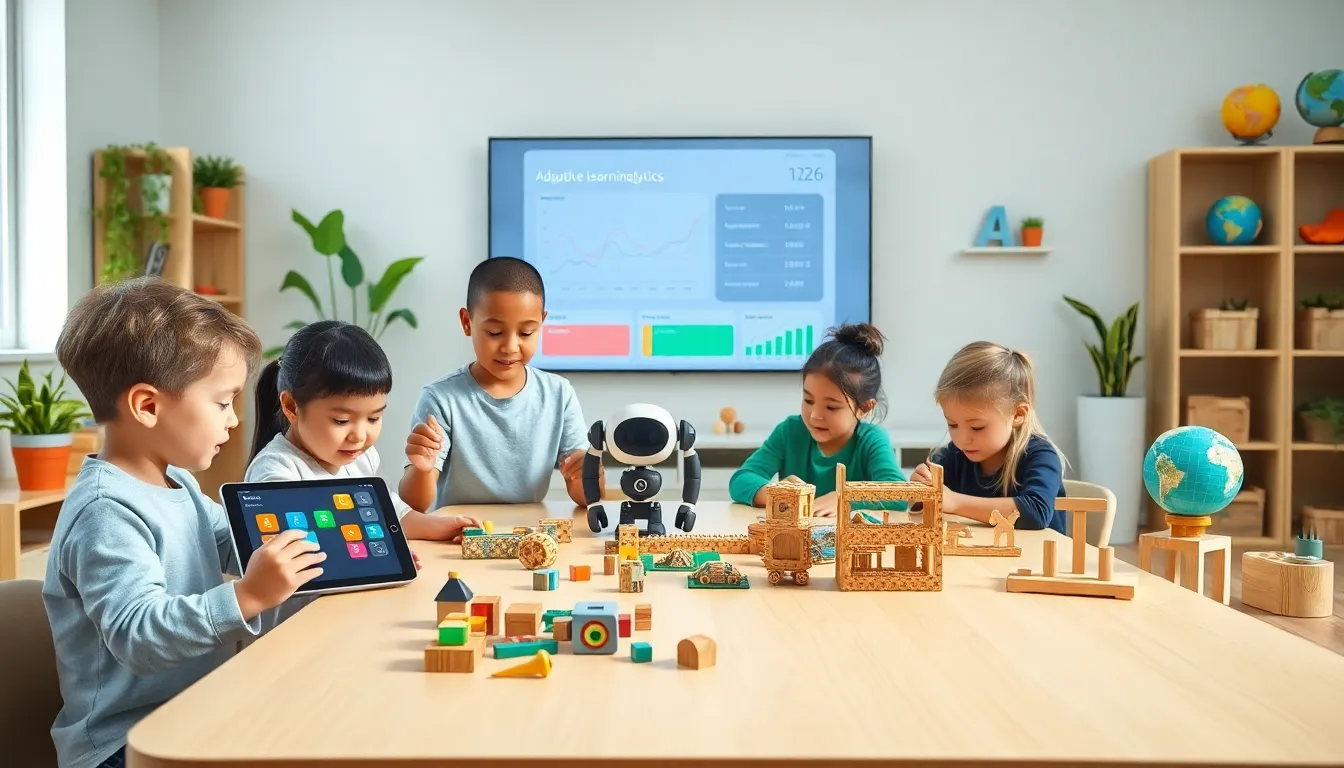
Educational apps and toys trends 2026 are reshaping how children learn and play. Technology advances rapidly, and the products designed for young learners evolve alongside it. Parents and educators face new choices every year. This guide breaks down the key trends shaping educational apps and toys in 2026. From AI-driven learning tools to eco-friendly products, these developments promise to change childhood education. Understanding these trends helps families and schools make smarter purchasing decisions.
Table of Contents
ToggleKey Takeaways
- AI-powered educational apps and toys in 2026 deliver personalized learning by adapting content to each child’s strengths, weaknesses, and pace in real time.
- Mixed reality experiences, including AR and VR, transform everyday spaces into interactive learning environments like virtual field trips and science labs.
- STEM and coding toys now target preschoolers with screen-free, visual programming tools that build computational thinking before children can read.
- Sustainability drives educational apps and toys trends 2026, with parents demanding recycled materials, eco-friendly packaging, and durable products.
- Parents should review data privacy policies carefully when purchasing AI-connected toys or downloading learning apps for children.
- Balancing technology-enhanced play with traditional activities remains essential for developing well-rounded learners.
AI-Powered Personalized Learning Experiences
Artificial intelligence stands at the center of educational apps and toys trends 2026. Learning apps now analyze each child’s strengths, weaknesses, and pace. They adjust content in real time to match individual needs.
This personalization matters. A child struggling with fractions gets more practice problems. A kid who masters vocabulary quickly moves to harder words. The app learns alongside the student.
Several features define AI-powered educational tools in 2026:
- Adaptive difficulty levels that respond to user performance
- Speech recognition for language learning and reading practice
- Behavioral tracking that identifies learning patterns over time
- Parent dashboards showing progress and suggested activities
Physical toys also incorporate AI. Smart building blocks recognize constructions and offer challenges. Interactive plush toys hold conversations and remember past interactions. These products create feedback loops that traditional toys cannot match.
Privacy concerns accompany these advances. Parents should check data policies before downloading apps or purchasing connected toys. The best companies offer transparent data practices and parental controls.
Educators report positive results with AI tools in classroom settings. Teachers use insights from these platforms to identify students who need extra help. The technology supports instruction rather than replacing human connection.
The Rise of Mixed Reality Play
Mixed reality combines physical and digital experiences. This technology represents one of the most exciting educational apps and toys trends 2026 offers. Children interact with real objects while screens display additional information, games, or challenges.
Augmented reality (AR) apps turn living rooms into science labs. Kids point tablets at household items and see molecular structures. They aim phones at the night sky and learn constellation names. The physical world becomes a learning surface.
Virtual reality (VR) headsets designed for children hit the market with improved safety features. These devices limit screen time automatically. They include physical activity requirements, kids must move to progress in educational games.
Popular mixed reality applications include:
- Virtual field trips to museums, historical sites, and natural wonders
- Science experiments too dangerous or expensive for home or school
- Language immersion experiences in simulated environments
- Math games that turn abstract concepts into visual puzzles
Toy manufacturers partner with app developers to create hybrid products. A dinosaur figurine unlocks detailed animations and facts when scanned. A globe connects to an app showing real-time weather and cultural information.
Experts recommend balancing screen-based play with traditional activities. Mixed reality works best as one tool among many. The goal remains developing well-rounded learners who can focus both with and without technology.
STEM and Coding Toys for Younger Children
STEM education continues its downward age shift. Educational apps and toys trends 2026 show coding concepts reaching preschoolers. Products use visual programming, physical buttons, and screen-free interfaces to teach logic and sequencing.
Robots for toddlers require no reading skills. Children press directional arrows to guide simple machines through mazes. These toys build computational thinking before kids ever touch a keyboard.
Coding apps for elementary students offer increasingly sophisticated projects. Kids create animations, design games, and program music. Some platforms let children share creations with peers worldwide.
Key developments in STEM toys include:
- Modular electronics kits that snap together safely
- Engineering sets emphasizing design thinking and iteration
- Chemistry kits with app-guided experiments and safety features
- Astronomy tools connecting to databases of celestial information
Gender-neutral marketing gains ground. Companies move away from pink-versus-blue packaging. They feature diverse children in advertisements. Research shows these changes increase STEM interest among girls.
Price points vary widely. Budget options deliver solid educational value. Premium products offer more features but don’t guarantee better learning outcomes. Parents should match purchases to their child’s interests and developmental stage.
Schools integrate these toys into curricula. Maker spaces and STEM labs become standard in elementary buildings. Teachers receive training on facilitating technology-enhanced lessons. The line between play and learning blurs productively.
Sustainability and Eco-Friendly Educational Products
Environmental consciousness shapes educational apps and toys trends 2026 significantly. Parents demand products made from recycled materials. They want packaging that doesn’t fill landfills. Manufacturers respond with greener options.
Wooden toys experience a revival. Companies source timber from certified sustainable forests. They use non-toxic paints and finishes. These products often cost more but last longer than plastic alternatives.
Recycled plastic toys enter mainstream markets. Some brands collect old toys for recycling into new products. Others use ocean plastic in manufacturing. These initiatives appeal to environmentally aware families.
Digital products carry environmental implications too. Apps that require constant internet connections consume more energy. Developers optimize code for efficiency. Some companies offset carbon footprints from server operations.
Eco-friendly trends in educational products:
- Biodegradable packaging replacing plastic clamshells and blister packs
- Repair programs extending product lifespans
- Toy libraries and rental services reducing individual consumption
- Educational content about environmental stewardship built into products
Children learn sustainability through these products. A toy made from recycled materials teaches resource conservation. An app about ecosystems reinforces classroom lessons. Values transmission happens through play.
Cost considerations matter. Sustainable products sometimes carry premium prices. But, durability often provides long-term value. Hand-me-down potential increases with quality construction.