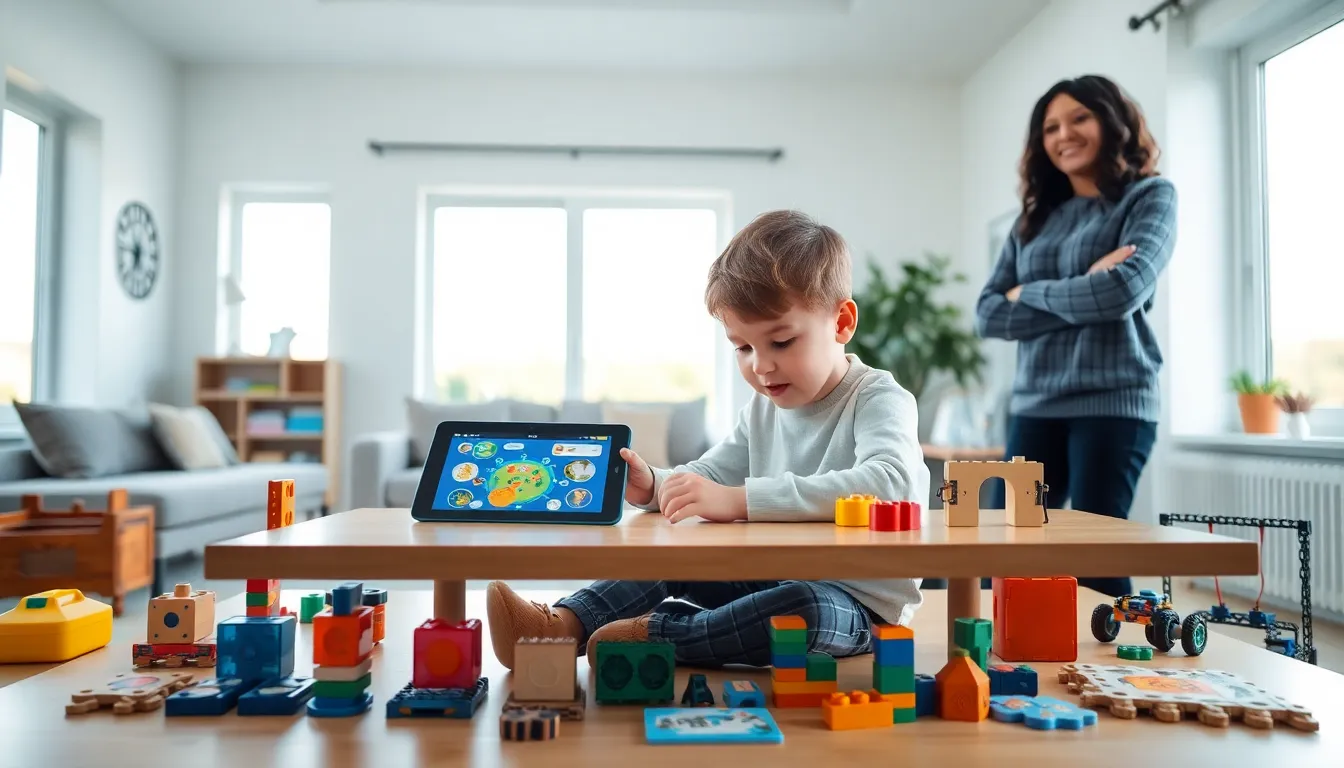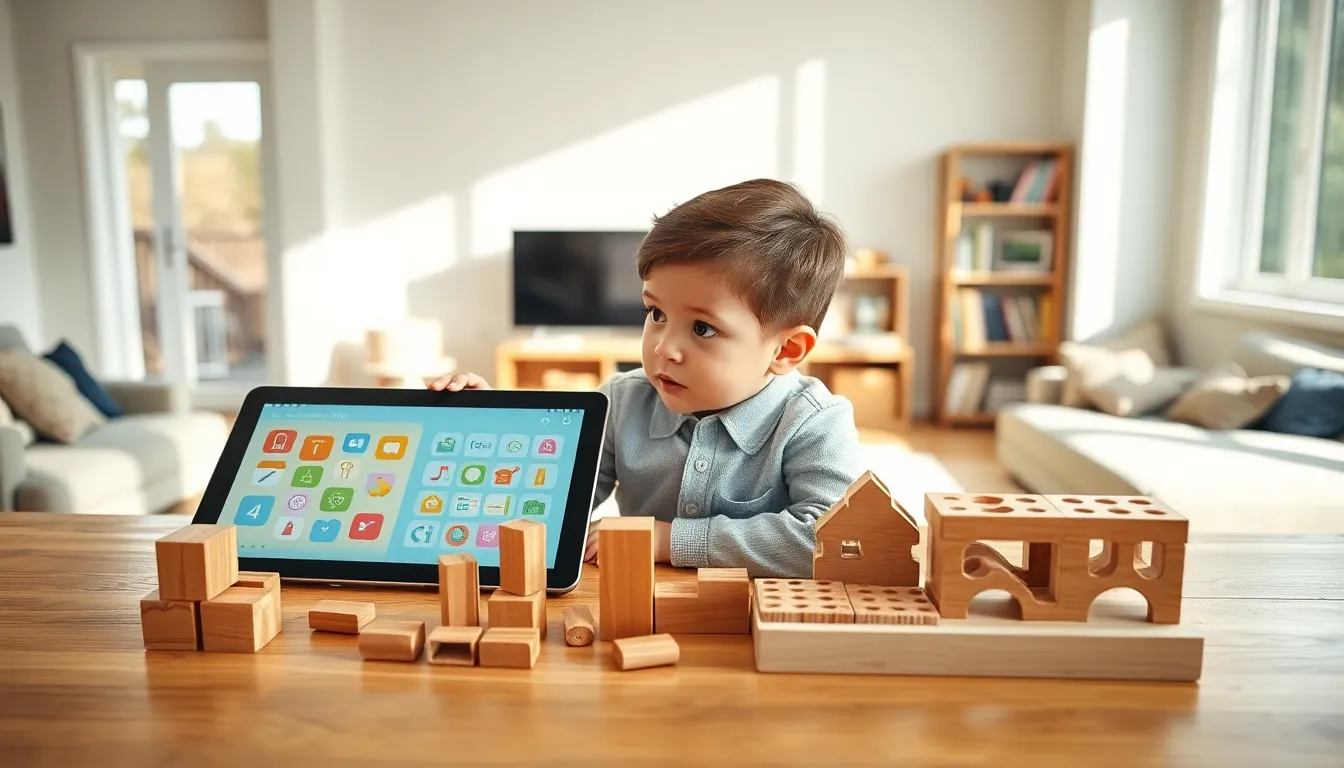
Educational apps vs toys remains one of the most debated topics among parents today. Both options promise to boost a child’s development, but they work in very different ways. Apps offer interactive screens and instant feedback. Toys provide hands-on exploration and physical engagement. So which approach actually helps children learn better? The answer depends on several factors, including age, learning style, and developmental goals. This guide breaks down the strengths of each option, highlights their key differences, and helps parents make informed decisions about their child’s learning tools.
Table of Contents
ToggleKey Takeaways
- Educational apps vs toys each offer unique benefits—apps provide instant feedback and personalized learning, while toys build motor skills and encourage creativity.
- Toddlers benefit most from hands-on toys, while school-age children can successfully balance both educational apps and physical learning tools.
- Educational toys promote social interaction and collaborative play, skills that screen-based learning rarely develops.
- Apps excel at teaching specific academic subjects through gamification, but toys foster broader skills like creativity, coordination, and problem-solving.
- Consider your child’s age, learning style, and developmental goals when choosing between educational apps vs toys.
- Most child development experts recommend combining both approaches to create a well-rounded learning environment.
How Educational Apps Support Learning
Educational apps have transformed how children absorb information. These digital tools use games, animations, and audio to teach subjects like math, reading, and science. Children often find them engaging because the content responds to their actions in real time.
Immediate Feedback Drives Progress
One major advantage of educational apps is instant feedback. When a child answers a question correctly, the app celebrates with sounds or animations. Wrong answers prompt gentle corrections and another chance to try. This cycle keeps kids motivated and helps them learn from mistakes quickly.
Personalized Learning Paths
Many educational apps adjust difficulty levels based on a child’s performance. If a child masters addition, the app introduces subtraction. If they struggle with letter recognition, the app provides extra practice. This adaptive approach ensures children stay challenged without feeling overwhelmed.
Accessibility and Convenience
Educational apps travel anywhere. Parents can use them during car rides, waiting rooms, or quiet evenings at home. They require no setup, no cleanup, and no missing pieces. For busy families, this convenience matters.
Subject Variety
From coding basics to foreign languages, educational apps cover almost every subject. Children can explore topics their schools might not offer. A curious five-year-old can learn about dinosaurs while a seven-year-old practices multiplication tables, all on the same device.
Benefits of Traditional Educational Toys
Traditional educational toys have supported child development for generations. Building blocks, puzzles, and science kits offer learning experiences that screens cannot replicate.
Hands-On Learning Builds Skills
Physical toys require children to use their hands, which strengthens fine motor skills. Stacking blocks teaches balance and spatial awareness. Puzzles develop problem-solving abilities. These activities engage multiple senses simultaneously, creating deeper learning connections.
Social Interaction Opportunities
Educational toys encourage group play. Siblings can build a tower together. Friends can collaborate on a craft project. This shared experience teaches cooperation, communication, and patience, skills that educational apps rarely develop.
Screen-Free Engagement
Many parents worry about excessive screen time. Educational toys offer a healthy alternative. Children can learn and explore without blue light exposure or the temptation of other digital distractions. Their eyes get a break, and their attention spans strengthen.
Creativity Without Boundaries
A set of building blocks has no preset rules. Children decide what to create. This open-ended play sparks imagination and encourages original thinking. Unlike apps with defined paths, physical toys let kids invent their own games and stories.
Durability and Longevity
Quality educational toys last for years. They can pass from one child to the next. A wooden puzzle set bought today might entertain grandchildren decades later. This durability makes them a worthwhile investment for many families.
Key Differences Between Digital and Physical Learning Tools
Understanding the differences between educational apps and toys helps parents choose wisely. Each format excels in specific areas.
| Feature | Educational Apps | Educational Toys |
|---|---|---|
| Engagement Style | Visual and auditory | Tactile and kinesthetic |
| Feedback | Instant and automatic | Self-discovered or parent-guided |
| Social Learning | Usually solo | Often collaborative |
| Motor Skills | Limited | Strongly developed |
| Portability | Highly portable | Varies by size |
| Screen Time | Requires screens | Screen-free |
| Customization | Algorithm-based | Open-ended |
Learning Retention Differences
Studies suggest children retain information better through hands-on activities. Physical manipulation creates stronger memory pathways. But, educational apps can reinforce concepts through repetition and gamification. The ideal approach often combines both methods.
Cost Considerations
Educational apps range from free to subscription-based models. Some families find them more affordable than quality toys. But, toys avoid recurring fees and hidden in-app purchases. Parents should calculate long-term costs before deciding.
Developmental Focus
Educational apps excel at teaching specific academic skills. They drill facts, test knowledge, and track progress. Educational toys build broader developmental skills like creativity, physical coordination, and social awareness. Neither option covers everything a child needs.
Choosing the Right Option for Your Child’s Age and Needs
The best choice between educational apps and toys depends on individual circumstances. Age plays a significant role in this decision.
Toddlers (Ages 1-3)
Very young children benefit most from physical toys. Their brains develop through touch, taste, and movement. Simple puzzles, stacking cups, and shape sorters build essential neural connections. Pediatric experts recommend limiting screen exposure during these formative years.
Preschoolers (Ages 3-5)
This age group can handle limited app use alongside traditional toys. Short sessions with educational apps introduce letters and numbers effectively. But preschoolers still need plenty of hands-on play for motor development and social skills.
School-Age Children (Ages 6-10)
Older children can balance both learning tools successfully. Educational apps supplement classroom lessons and offer practice opportunities. Toys like science kits and building sets encourage deeper exploration of subjects they encounter at school.
Consider Your Child’s Learning Style
Some children learn best by doing. They thrive with building blocks and art supplies. Others absorb information quickly through visual and audio content. Observing how your child plays reveals which format suits them best.
Balance Is Often Best
Most child development experts recommend a mixed approach. Educational apps provide structured learning and convenience. Toys offer creativity and physical engagement. Together, they create a well-rounded learning environment that addresses multiple developmental needs.